
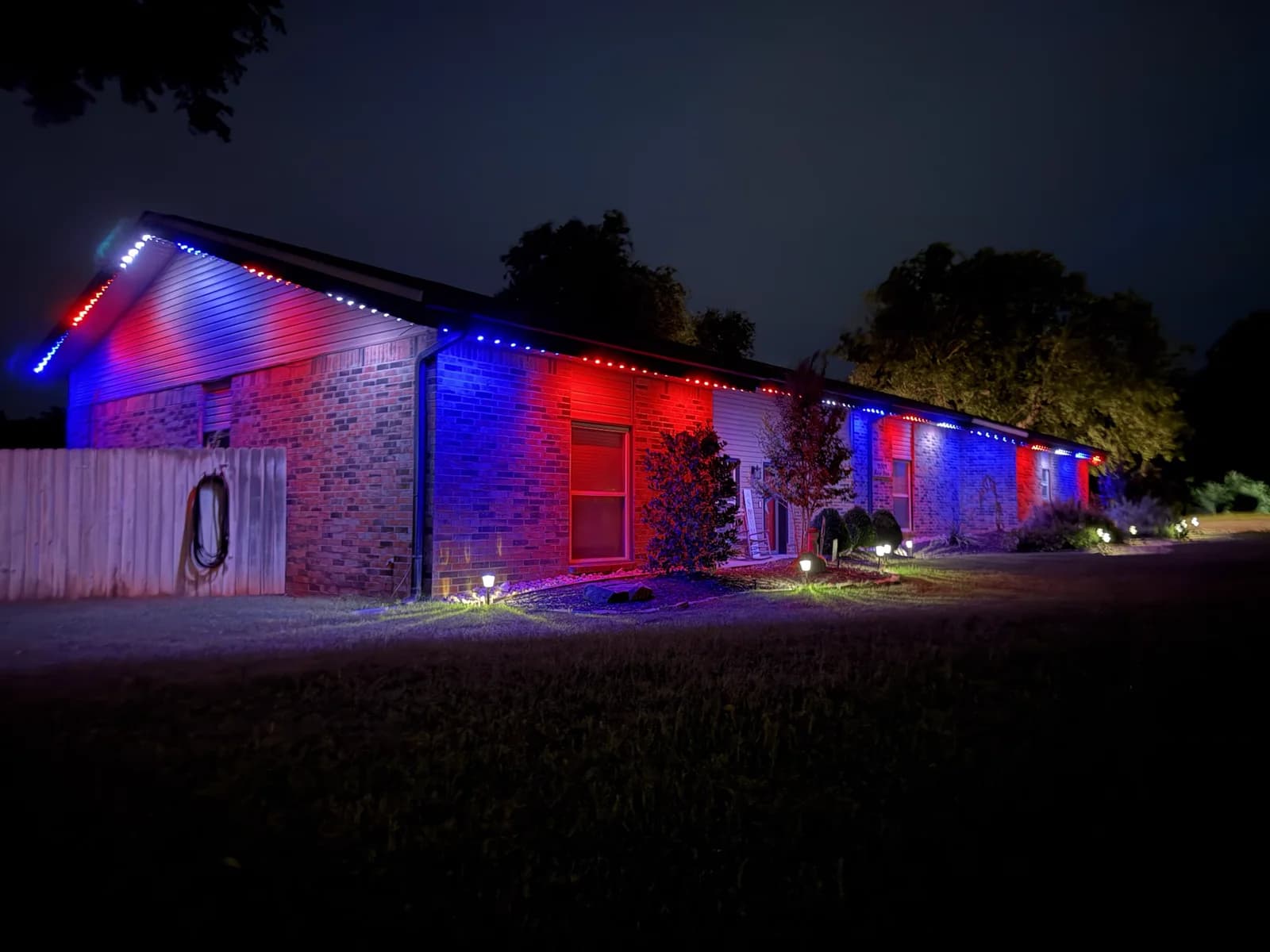
Design from the view, not from a fixture catalog
Good landscape lighting begins with the routes and views that matter: the walk from the driveway, the front entry, the pool or patio, the tree visible from the living room, and the planting bed that disappears at night. The fixture is only the tool. The design decision is what the eye should notice and how comfortably people should move through the property.
Walk the home at dusk from the street, entry, kitchen, and main outdoor seating areas. Note where the property feels dark, where glare would be distracting, and which features deserve a quiet highlight rather than a bright wash.
- Arrival: driveway, walk, steps, and front entry
- Structure: columns, walls, textures, and architectural edges
- Landscape: palms, specimen trees, beds, and layered planting
- Living: patios, pool decks, outdoor kitchens, and seating areas
Use layers instead of one bright source
A composed plan usually combines several light roles. Path fixtures guide movement. Uplights reveal tree trunks, palms, or a textured wall. Low, wide light can give planting beds shape. Carefully placed accents can make an entry feel welcoming without turning the front yard into a stage set.
The goal is balance: enough light to reveal the property, with darker areas left between focal points so the scene has depth. Aim fixtures away from windows and direct sightlines, and use shielding or lower output where guests will see the source.
- Path light for movement and wayfinding
- Uplight for height, texture, and focal trees
- Bed light for low planting and layered depth
- Accent light for entries, columns, and architectural details
Design for South Florida conditions
Heat, rain, irrigation, palms, salt air, and fast-growing planting all affect the plan. Keep connections protected, route cable where maintenance teams can reach it, and leave enough flexibility for plants to grow without hiding every fixture. A good design anticipates trimming, irrigation changes, storm cleanup, and future additions.
Ask how the installer will avoid creating trip hazards, protect wiring near wet areas, and document the transformer and zones. Serviceability is part of the design, not a later detail.
- Plan around irrigation, drainage, roots, and hardscape
- Protect connections and keep equipment accessible
- Allow for plant growth and regular landscape maintenance
- Use glare control around windows, neighbors, and water views
Coordinate ground-level and roofline lighting
Landscape lighting and permanent roofline lighting can work together, but they should not compete. Roofline systems describe the architecture; landscape fixtures reveal the property and guide people through it. Use a shared design conversation so color temperature, timing, brightness, and focal points feel intentional across both layers.
Horizon Lighting FL offers dedicated landscape lighting separately from its permanent holiday and architectural roofline systems. We can scope one service, the other, or a coordinated exterior plan based on the property.